Introduction to Sustainable Woodworking
The trend of sustainable living has made its way into the world of custom woodworking, a movement that resonates deeply with the eco-conscious community in Flagstaff, AZ. Homeowners are increasingly seeking ways to create beautiful, functional spaces while minimizing their environmental impact. In this blog, we explore seven essential tips for incorporating sustainability into your woodworking projects.
1. Choose Locally Sourced Wood
One of the simplest ways to ensure your woodworking project is sustainable is by choosing locally sourced wood. This reduces the carbon footprint associated with transporting materials. In Flagstaff, you have access to a variety of regional woods, such as Ponderosa Pine and Douglas Fir, which are not only sustainable but also add a unique touch to your projects.
2. Opt for Reclaimed Materials
Reclaimed wood is an excellent choice for sustainable woodworking. It not only reduces the demand for new timber but also gives a second life to materials that would otherwise end up in landfills. Whether it's an old barn beam or a retired wine barrel, reclaimed wood adds character and history to your custom pieces.
3. Use Non-Toxic Finishes
Traditional finishes can release harmful volatile organic compounds (VOCs) into the environment. Opt for non-toxic, water-based finishes or natural oils and waxes that are free from harmful chemicals. These alternatives are safer for both your health and the environment, without compromising on the quality of the finish.
4. Implement Efficient Design
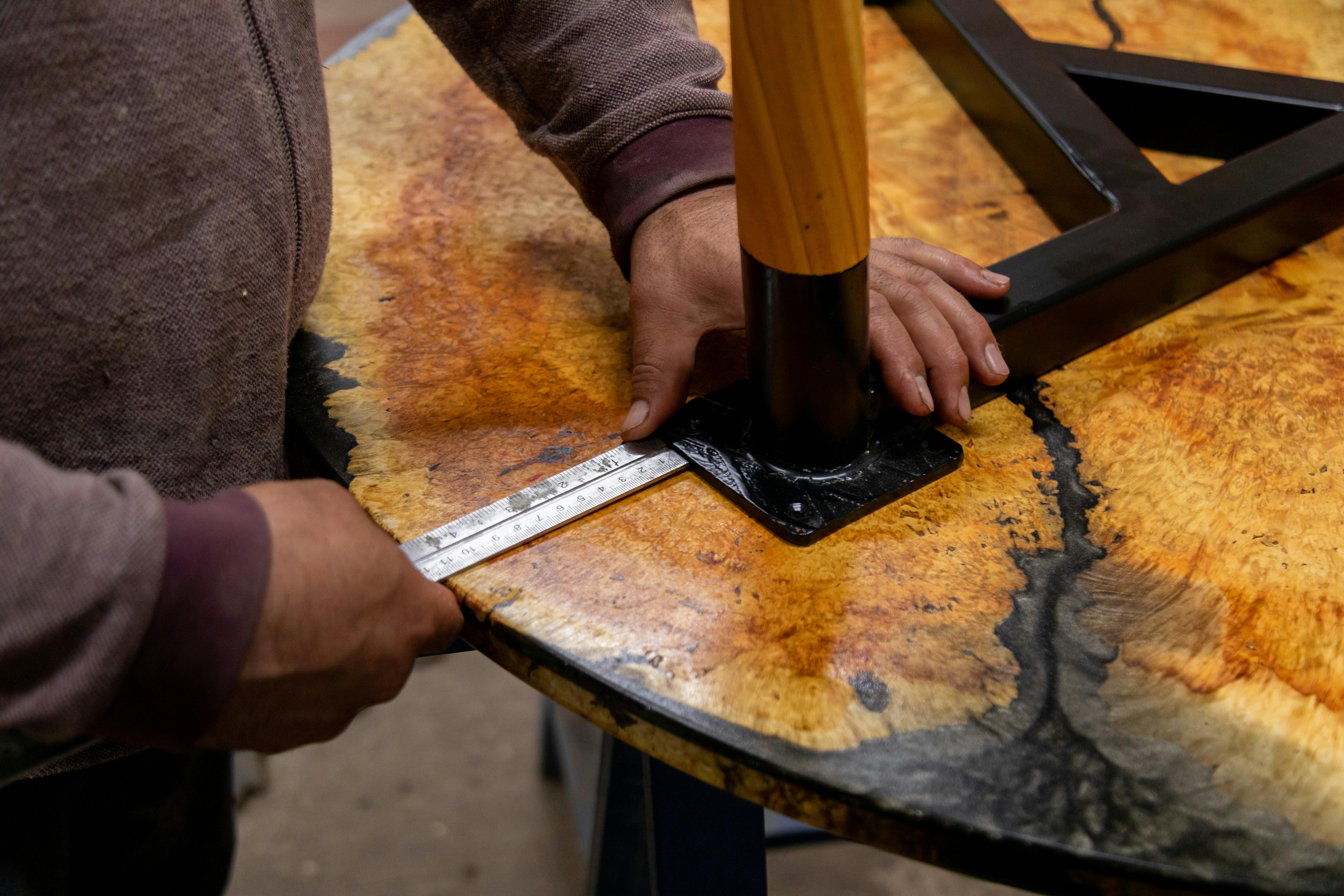
Designing with efficiency in mind can greatly reduce waste. When planning your project, aim to use every part of the wood. Consider modular designs that allow for easy disassembly and reassembly, prolonging the lifespan of your furniture. Efficient designs not only save resources but often lead to innovative and creative solutions.
5. Invest in Quality Tools
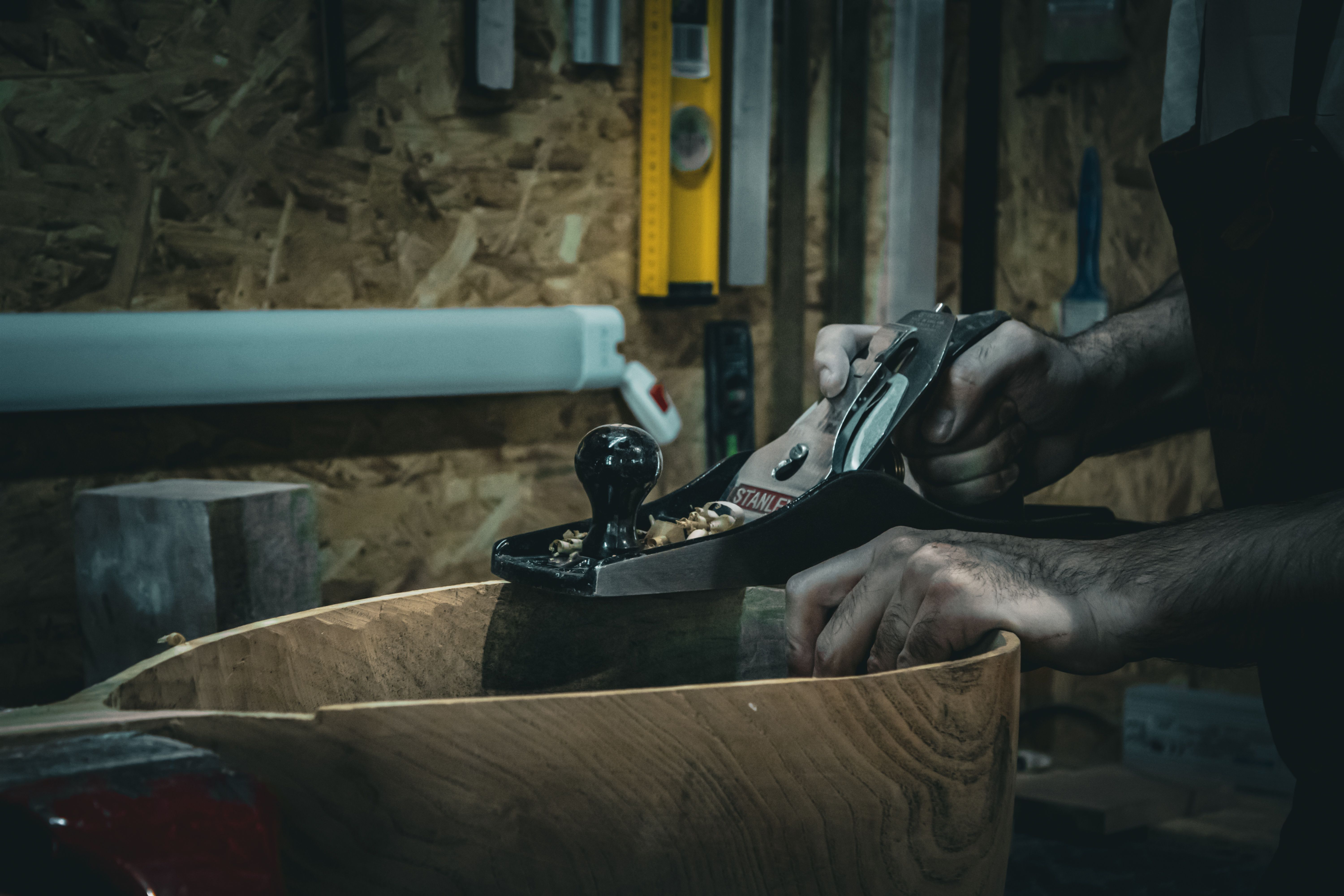
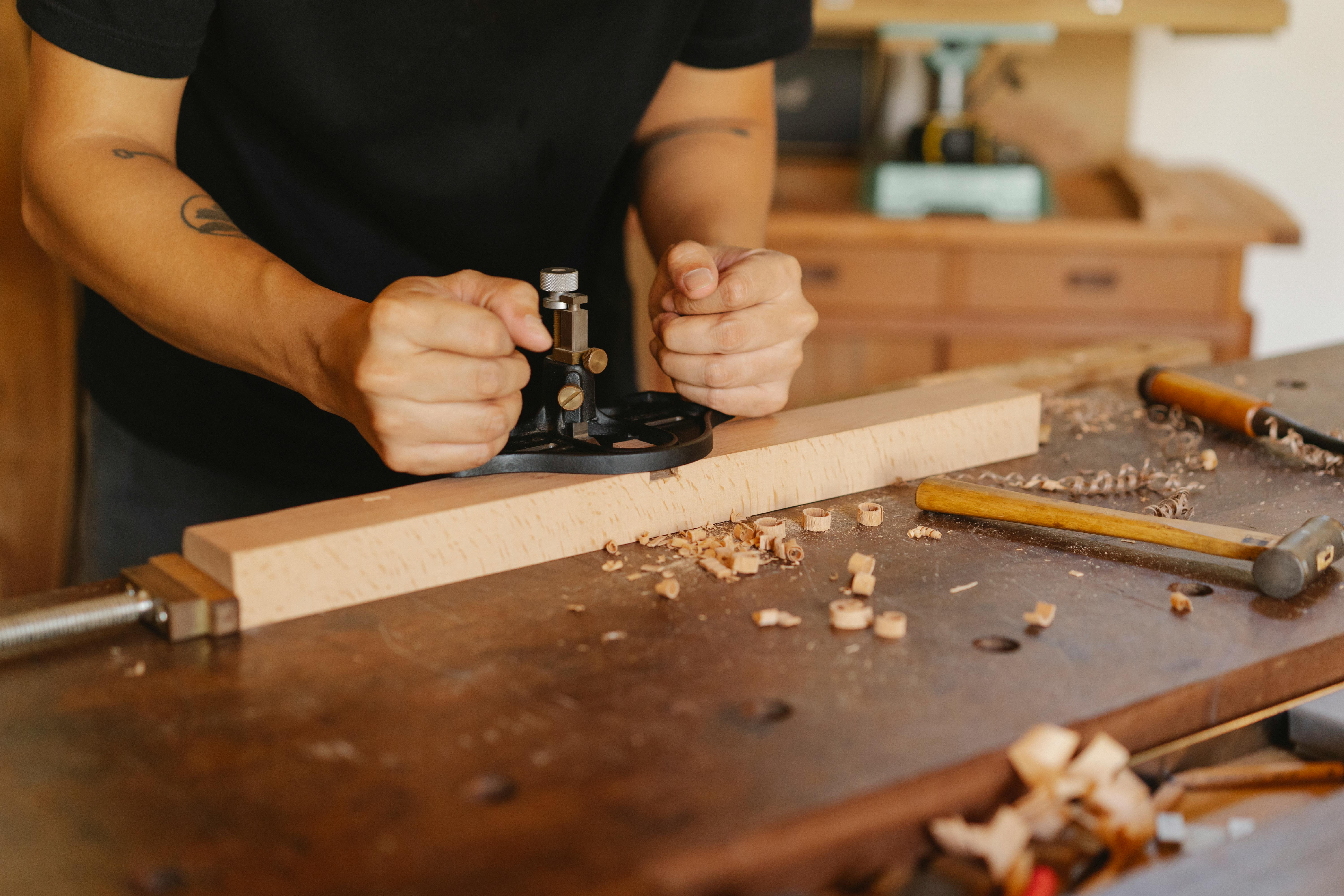
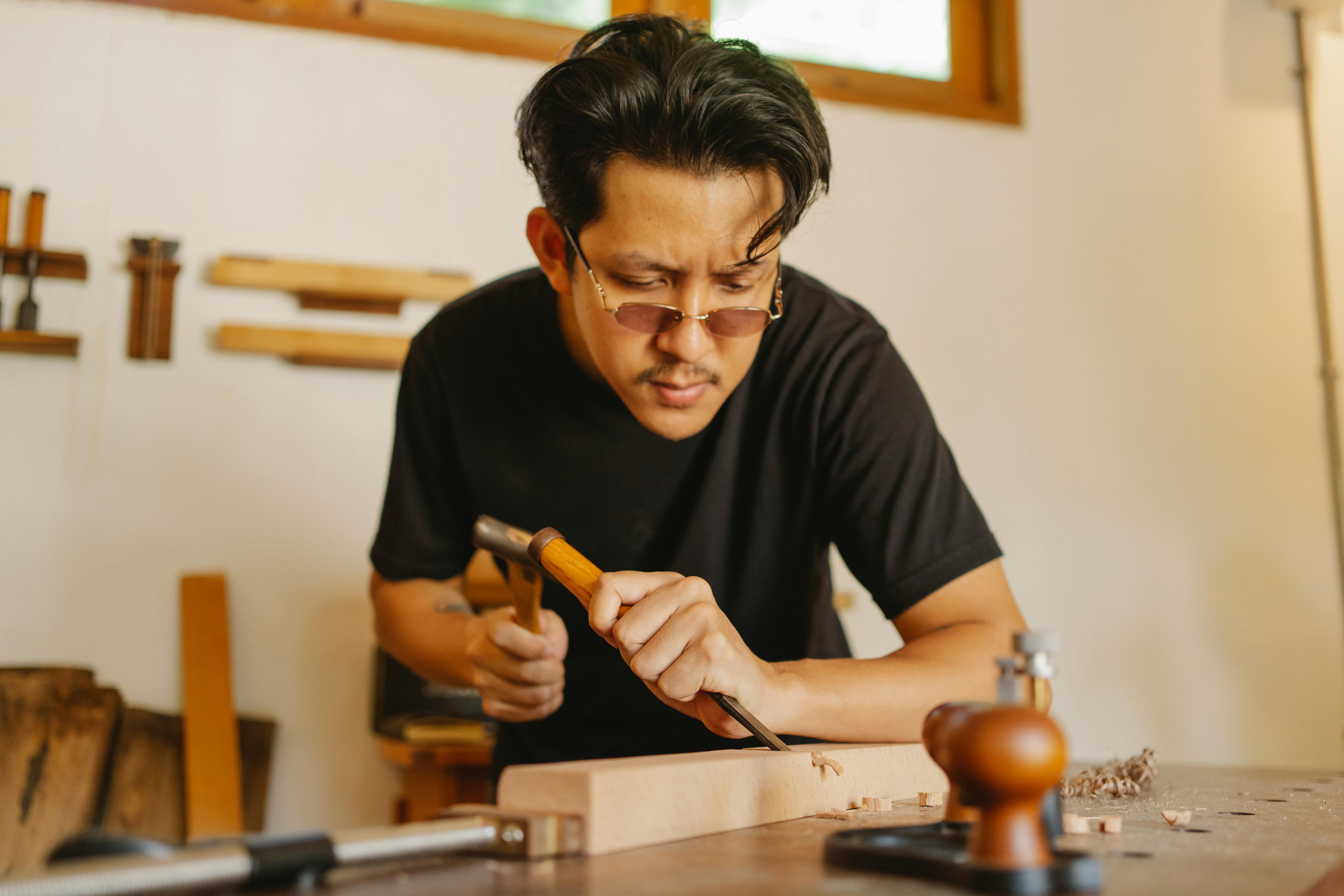
Quality tools are a crucial investment for any woodworking project, especially when sustainability is a priority. High-quality tools last longer, require less frequent replacement, and often provide better results. This reduces waste and ensures that your craftsmanship is top-notch.
6. Practice Responsible Disposal
Once your woodworking project is complete, it’s important to responsibly dispose of any waste materials. Compost sawdust and wood scraps where possible, or donate them to local schools or art programs. By ensuring that waste is minimized and properly managed, you contribute to a healthier environment.
7. Engage with the Community
Flagstaff is home to a vibrant community of woodworkers and artisans. Engaging with this community through workshops, online forums, or local events can provide valuable insights into sustainable practices and offer support for your projects. Sharing knowledge and resources helps to foster a culture of sustainability.
Conclusion: Building a Sustainable Future
Sustainable woodworking is not only possible but also increasingly necessary in today's world. By adopting these strategies, you can create beautiful, functional pieces that respect and preserve the environment. Whether you’re a seasoned woodworker or a beginner in Flagstaff, these tips will guide you in making eco-friendly choices that benefit both your home and the planet.
For more information or to start your own sustainable woodworking project, visit High Country Slabs in Flagstaff, AZ. Our expert team is dedicated to helping you achieve your vision with the highest standards of sustainability.